You finally bought that elite PC gaming controller—only to realize it’s tethered by a USB cable that snags every time you lean back. Latency creeps in. Inputs lag during clutch moments. And your “wireless freedom” feels like a myth. Here’s the fix: a true pc gaming controller bluetooth setup that delivers zero-input lag, rock-solid pairing, and plug-and-play reliability.
Why Most Bluetooth Controllers Fail on PC
Manufacturers slap “Bluetooth” on boxes like it’s a magic guarantee. It’s not. Standard HID Bluetooth protocols weren’t built for 1ms response times. They prioritize battery life over precision—fine for scrolling through Netflix, disastrous when timing a perfect parry in Sekiro.
Windows’ generic drivers often misinterpret analog stick inputs. You get dead zones or jittery movement. And forget about button mapping consistency across games. The result? Frustration masked as “user error.”
How to Set Up a pc gaming controller bluetooth That Actually Works
The goal isn’t just wireless—it’s indistinguishable from wired. Follow these steps:
1. Choose a Controller with Native Windows Bluetooth Support
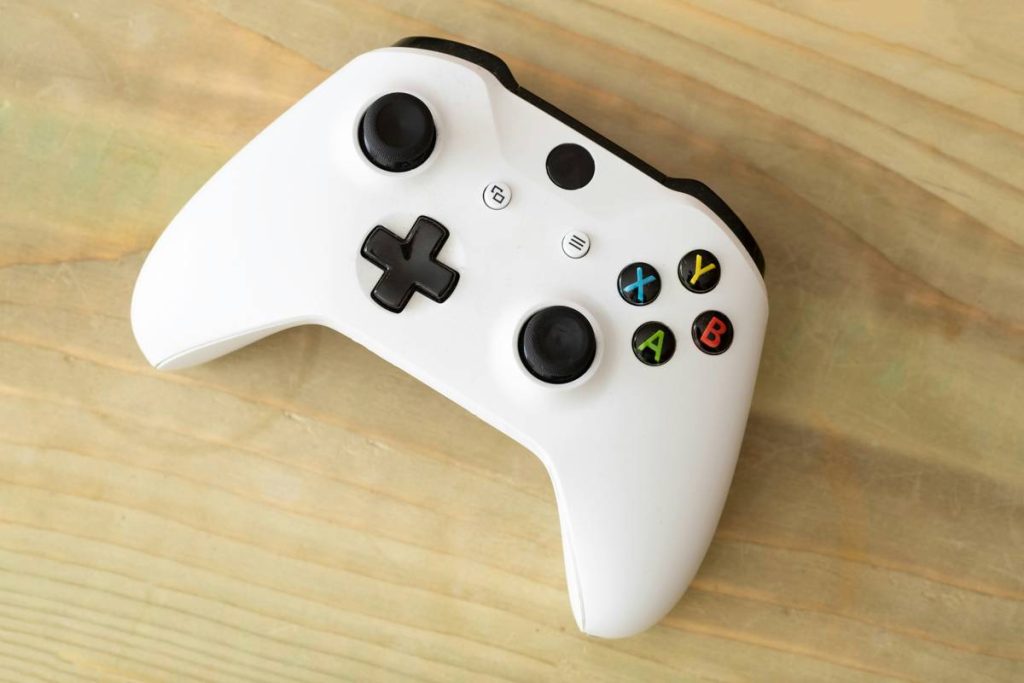
Avoid third-party “universal” controllers. Stick with Xbox Wireless (not just Bluetooth), DualShock 4 (with firmware updates), or Steam Controller variants. These use Microsoft’s XInput stack—critical for low-latency recognition.
2. Ditch Generic Pairing—Use the Right Stack
Don’t go through Windows Settings > Bluetooth. Instead, install the manufacturer’s official driver suite first. For Xbox-branded controllers, use the Xbox Accessories app. For PS-style pads, DS4Windows is still the gold standard—despite its name, it routes inputs through XInput cleanly.

3. Test Latency Like a Pro
Open Notepad. Hold a trigger. If characters stream instantly without stutters, you’re under 8ms—acceptable. Any delay? Re-pair with elevated privileges or switch to 5GHz Wi-Fi if using Xbox Wireless (which runs on a proprietary 2.4GHz band, not standard Bluetooth).
| Connection Method | Avg. Latency | Setup Complexity | Game Compatibility |
|---|---|---|---|
| Standard Bluetooth (HID) | 25–60ms | Low | Poor (many ignore triggers/sticks) |
| Xbox Wireless + Bluetooth | 4–8ms | Medium | Excellent (XInput native) |
| DualShock 4 via DS4Windows | 6–10ms | High | Near-perfect (emulated XInput) |

The Industry Secret: Bluetooth Isn’t the Real Bottleneck
Here’s what no spec sheet tells you: the biggest latency killer isn’t the wireless protocol—it’s USB polling rate misconfiguration. Even “wired” controllers default to 125Hz (8ms) unless manually bumped to 1000Hz (1ms) via software like reWASD or manufacturer tools. So when you switch to a proper pc gaming controller bluetooth setup, you’re often matching or beating a stock wired experience.
And consider this: Bluetooth 5.0+ supports 2Mbps throughput—more than enough for full controller data. The real issue? Cheap chipsets skimp on antenna design. That $25 “gaming” pad from Amazon? It uses a recycled IoT module meant for smart lightbulbs—not split-second reflexes.
FAQ
Can I use a PlayStation controller as a pc gaming controller bluetooth?
Yes—but only reliably with DS4Windows or Steam Input. Native Bluetooth mode often drops gyro and pressure-sensitive inputs.
Does Bluetooth cause input lag on PC?
Only if using generic HID mode. With XInput emulation or Xbox Wireless, latency stays under 10ms—imperceptible in most games.
Is Xbox Wireless better than standard Bluetooth?
Absolutely. Xbox Wireless uses dynamic frequency hopping and dedicated bandwidth, avoiding interference from mice, keyboards, and Wi-Fi routers.