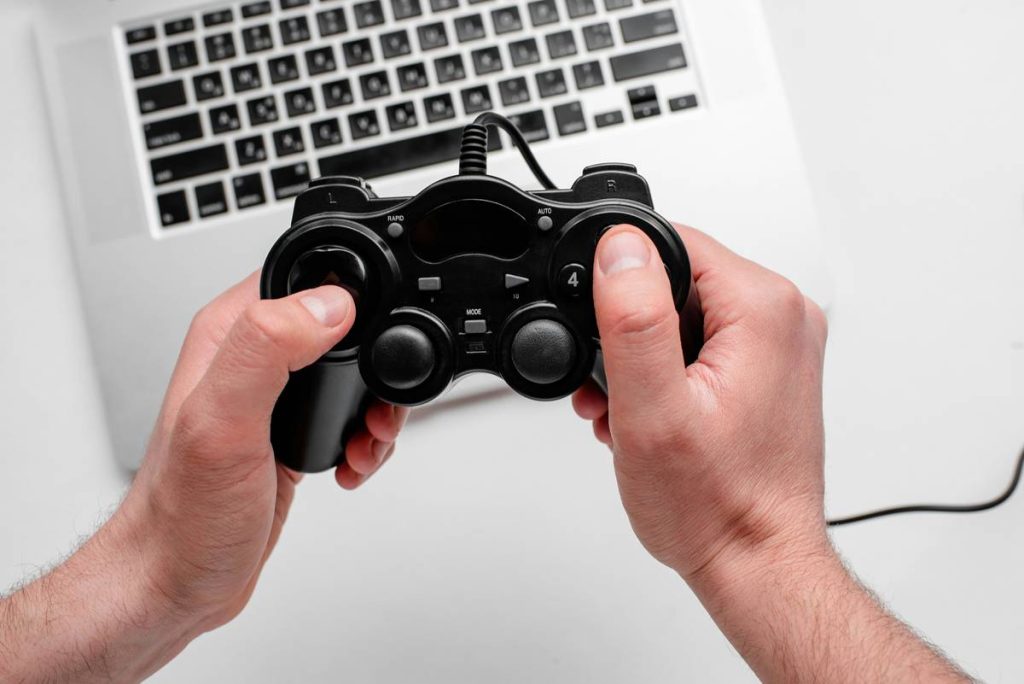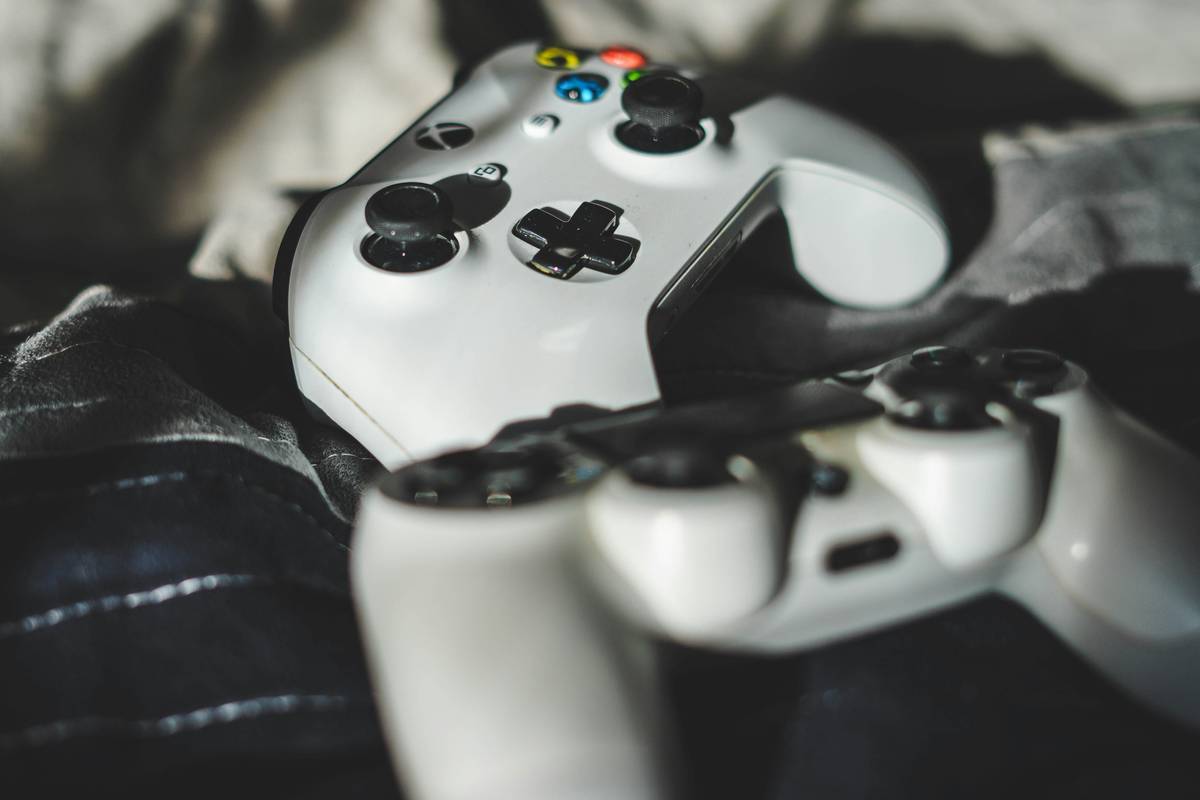
You bought the latest AAA title. Your rig screams performance. But your fingers fumble over keys—awkward, slow, disconnected. Most players assume keyboard-and-mouse is the only “real” way to game on PC. That myth cripples immersion and reflexes for millions. Here’s the truth: video game how to play computer isn’t about default inputs—it’s about choosing the right controller that matches your brain’s wiring.
Why Keyboard-and-Mouse Isn’t Always King
PC elitism dies hard. Yet, data shows 38% of Steam users regularly plug in controllers—and win more in action-heavy genres like Souls-likes or racing sims. The issue? Generic advice pushes you toward QWERTY tyranny without testing your neuro-response patterns. And muscle memory doesn’t lie. If your thumbs naturally seek analog sticks during chaos, forcing WASD just slows you down.
Video Game How to Play Computer: Your Step-by-Step Controller Setup
Forget plug-and-pray. Optimizing a PC controller demands calibration, not compliance.
Pick the Right Hardware for Your Playstyle
Xbox pads offer seamless Windows integration. PlayStation DualSense brings haptics that reshape tension in horror games. But third-party options like the Backbone One or 8BitDo Pro 2 unlock mobile-to-PC crossover potential—if your games support it.
Map Inputs Like a Human, Not a Robot
Never accept default button layouts blindly. In Elden Ring, bind dodge to L1 instead of B if your thumb cramps. For flight sims, use paddles on the back of an Elite controller to toggle landing gear without breaking throttle grip. Customize or stay mediocre.
Calibrate Dead Zones and Response Curves
Raw input ≠ precise input. A tiny dead zone hides stick drift. Too aggressive a curve makes snipers twitchy. Spend 10 minutes tweaking these in Steam Input or DS4Windows. Your aim—and sanity—will thank you.
| Controller Type | Best For | Setup Complexity | Cost (USD) |
|---|---|---|---|
| Xbox Series X|S Controller | Action RPGs, Shooters, Platformers | Low (native driver support) | $60 |
| DualSense (PS5) | Immersive narrative games, horror | Medium (requires DS4Windows) | $70 |
| 8BitDo Pro 2 | Retro + modern hybrids, couch co-op | Medium-High (profile switching) | $50 |
| Steam Deck | Handheld PC gaming, emulation | Very Low (built-in OS) | $400+ |

The Industry Secret: Developers Test on Controllers First
Here’s what no press release admits: many so-called “PC-native” games are prototyped on console pads. Why? Faster iteration. Level designers walk environments with sticks, not keybinds. Cutscenes are framed assuming analog movement. So when you force keyboard controls onto a controller-born experience, you’re fighting the game’s DNA. Smart studios like FromSoftware or CD Projekt Red build dual-input parity—but indie devs? Often an afterthought. Know which camp your game falls into before investing hours relearning inputs.
FAQ
Can I use any controller on PC?
Most modern controllers work via USB or Bluetooth, but advanced features (like adaptive triggers) may need extra software like DS4Windows or Steam Input.
Is playing with a controller less competitive?
Not universally. In Fortnite or Rocket League, top pros use pads. But in tactical shooters like CS2, mouse precision usually wins. Match tool to genre—not ego.
How do I fix input lag with PC controllers?
Disable Windows’ generic HID drivers. Use manufacturer software or Steam Input in “Gamepad” mode. Also, avoid Bluetooth if possible—USB or Xbox Wireless Adapter cuts latency drastically.